Dream Catcher Tattoo Meaning: Symbolism and Origin
The dream catcher is one of the most tattooed symbols in the world, and also one of the most misunderstood. What began as a sacred Ojibwe protective charm has traveled through pan-Indian movements, New Age shops, and tattoo studios to become a global design. If you are considering this tattoo, or already wear one, it is worth knowing what the symbol actually means, where it comes from, and how to approach it with respect.
A dream catcher tattoo generally symbolizes protection, filtering negativity, and the weaving of one’s own destiny. It can represent Native heritage for those who carry it, a love of the symbol’s beauty and meaning for others, and, at its deepest, the idea that you choose which dreams, thoughts, and influences you let into your life.
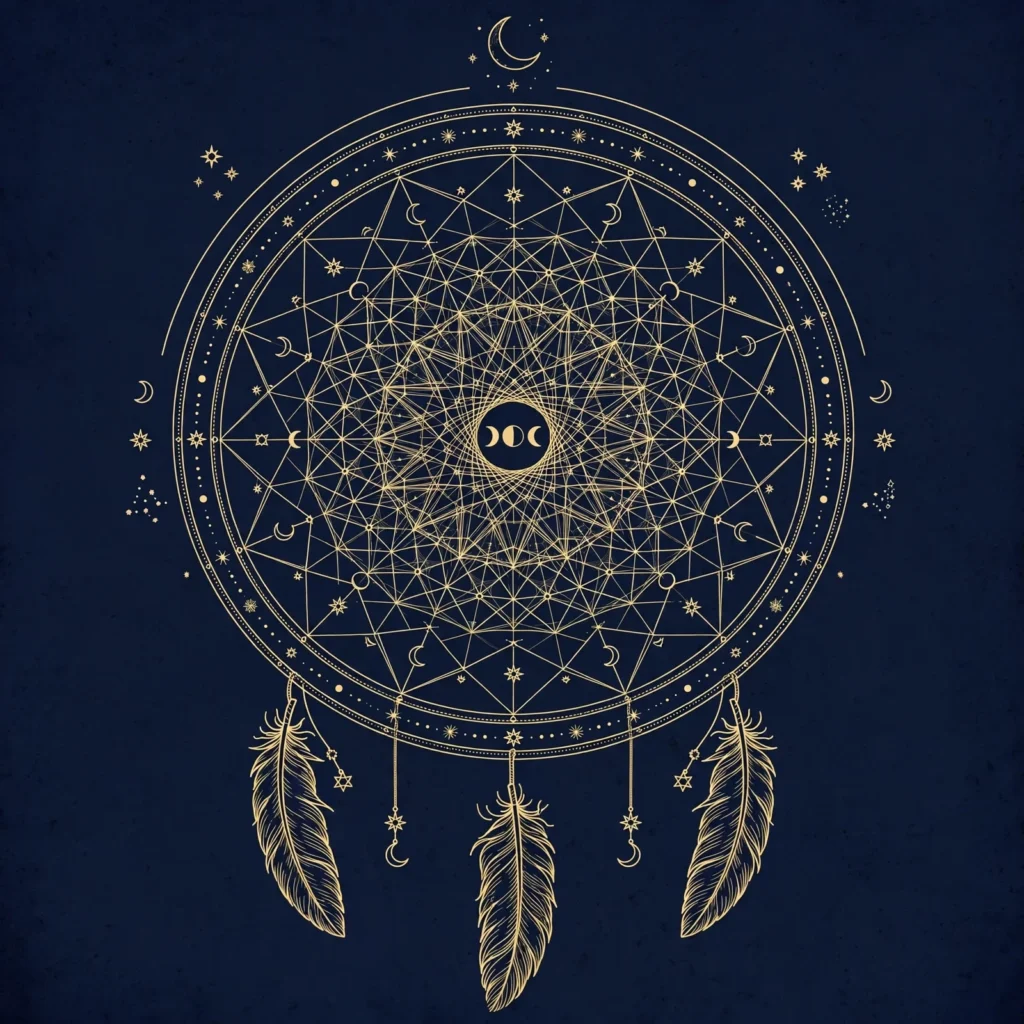
A dream catcher tattoo is, in short, a symbol of protection: the web filters out bad dreams and negative energy, letting only the good through. Rooted in the Ojibwe Spider Woman legend, it is also a deeply personal emblem of resilience, spirituality, connection to nature, or honoring one’s heritage.
Ojibwe Origin and the Spider Woman Legend
The dream catcher comes from the Ojibwe people of the Great Lakes region. According to tradition, the spider woman Asibikaashi took care of the children and the people of the land. As the Ojibwe nation spread across North America, she could no longer reach every child, so mothers and grandmothers began weaving magical webs for the little ones, using willow hoops and sinew, to catch harm before it could reach them in sleep.
The original dream catchers were small, hung on cradleboards to protect infants. The web was meant to catch bad dreams in its threads, where they would perish with the morning light, while good dreams slipped through the center hole and slid down the feathers to the sleeping child. This is the meaning at the symbol’s heart: protection of the vulnerable, woven by loving hands.
The dream catcher spread to other tribes through intermarriage and the pan-Indian movements of the 1960s and 70s, and from there into mainstream culture. Each step of that journey added layers and, inevitably, diluted some of the original context, which is why understanding the source matters.
What Each Element Symbolizes
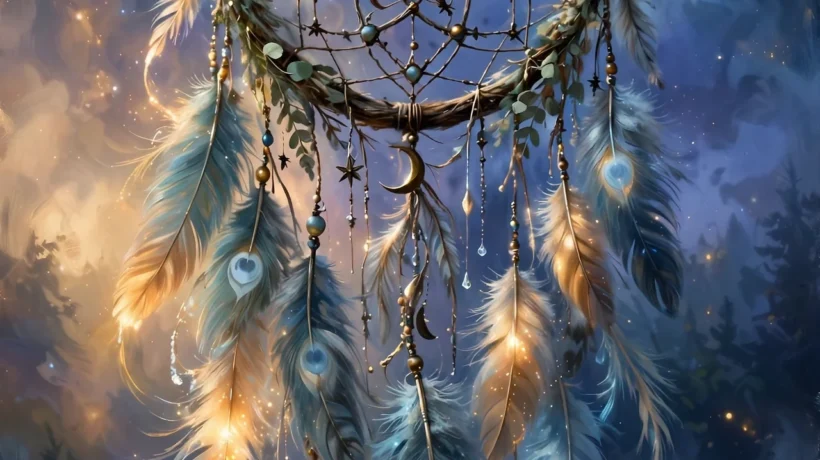
• The hoop: traditionally willow, representing the circle of life, the sun’s journey across the sky, and the cycles of nature. In tattoos it is often rendered as a clean circle, sometimes with beading.
• The web: the woven net that catches bad dreams and negative thoughts. The number of points in the web sometimes carries meaning: thirteen for the moon’s cycles, eight for the spider’s legs.
• The center hole: where good dreams pass through. Spiritually it can represent the opening through which blessings and clarity enter.
• Feathers: traditionally attached to let good dreams slide gently down to the sleeper. Feathers symbolize air, breath, lightness, and spiritual ascent. Eagle feathers carry particular sacred weight.
• Beads: often woven into the web, sometimes representing the spider herself, sometimes caught bad dreams, sometimes simply beauty.
• Additional elements: tattoo designs often add wolves, moons, flowers, or text, each layering personal meaning onto the traditional base.
Spiritual Meanings of the Dream Catcher Tattoo
• Protection from negativity: the most common meaning. The tattoo acts as a permanent filter, catching harmful influences before they reach you.
• Weaving your own destiny: the web is woven, not found. It can symbolize taking active control of your life’s pattern.
• Connection to nature and spirit: the willow, sinew, feathers, and spider all root the symbol in the natural and spiritual worlds.
• Honoring heritage: for people of Native descent, it can be a proud marker of identity and continuity.
• Dreams and aspiration: some wearers focus on the dream aspect, the tattoo as a commitment to following their dreams, literally and figuratively.
• Resilience: having survived hard times, the web that catches harm resonates as a symbol of endurance.
Design Tips
• Placement: popular spots include the shoulder, back, thigh, forearm, and ribs. Larger pieces suit the back or thigh, where the web’s detail can breathe; smaller ones work on the wrist or behind the ear.
• Size and detail: the web is intricate. Too small and the lines blur with age. Give the design room, and choose an artist experienced with fine linework.
• Personalization: adding elements that matter to you, a birthstone color, an animal guide, meaningful dates woven as beads, makes the piece yours rather than generic.
• Color versus blackwork: traditional dream catchers are natural materials, which suits earthy tones, but bold blackwork versions are striking and age well.
• The hanging elements: decide how the feathers and beads fall, as this shapes the whole composition. Flowing, asymmetrical hangs feel organic; symmetrical ones feel ceremonial.
How to Approach It Respectfully
This is the part that matters most. The dream catcher is a sacred object from a living culture, not a generic boho motif. A few principles keep your tattoo on the right side of appreciation versus appropriation.
• Learn the origin: knowing the Ojibwe story, which you now do, is the baseline. Wear the knowledge with the ink.
• Understand the difference: appreciating a symbol means understanding its source and treating it with gravity. Wearing it as a fashion accessory with no knowledge of its meaning is where appreciation curdles.
• Listen to Native voices: many Native people are generous in sharing their culture; many others are frustrated by its commercialization. Both perspectives deserve respect. If a Native person tells you the tattoo bothers them, listen rather than argue.
• Avoid sacred specifics: some elements, like particular ceremonial beadwork patterns or eagle feathers, carry religious weight. A general dream catcher design is less fraught than copying sacred regalia.
• Support Native artists: if you want the tattoo, consider commissioning a Native tattoo artist. It keeps the art and its economic benefit within the culture that created it.
Frequently Asked Questions
What does a dream catcher tattoo mean?
It generally symbolizes protection, filtering negativity from your life, and weaving your own destiny. Rooted in the Ojibwe tradition of catching bad dreams, wearers adapt it to mean resilience, spirituality, heritage, or aspiration.
Is it disrespectful to get a dream catcher tattoo?
It depends on how you approach it. Learning the Ojibwe origin, treating the symbol with gravity, listening to Native perspectives, and ideally working with a Native artist keep it on the side of appreciation. Wearing it with no knowledge of its meaning is what draws criticism.
Where did dream catchers originate?
With the Ojibwe (Chippewa) people of the Great Lakes region, tied to the Spider Woman legend. Mothers and grandmothers wove small webbed hoops to protect infants from bad dreams. The symbol later spread through pan-Indian movements into mainstream culture.
What do the feathers on a dream catcher mean?
Traditionally, good dreams slip through the web’s center and slide down the feathers to the sleeper. Feathers symbolize air, breath, lightness, and spiritual ascent. Eagle feathers carry particular sacred significance in Native traditions.
Where is the best placement for a dream catcher tattoo?
Popular placements include the shoulder, back, thigh, forearm, and ribs. The web’s fine detail needs room, so larger areas like the back or thigh suit elaborate designs, while small simplified versions work on the wrist or behind the ear.
A Final Thought
The dream catcher endures because its meaning is genuinely beautiful: that harm can be caught, that good dreams find their way through, that protection can be woven by hand. If you wear it, wear the story too. A tattoo with knowledge behind it is not just decoration; it is a promise to honor what the symbol has carried for generations.